Unveiling The Secrets: Driving License Codes Decoded
Driving license codes, also known as driver's license codes or license codes, are standardized codes used to indicate the types of vehicles that a driver is licensed to operate. These codes are typically assigned by government agencies responsible for issuing driver's licenses.
The specific codes used vary from country to country, but they generally follow a similar pattern. For example, in the United States, the code "A" indicates a license to operate a car, while the code "B" indicates a license to operate a motorcycle. Other common codes include "C" for commercial vehicles, "D" for buses, and "E" for trailers.
Driving license codes are important because they help to ensure that drivers are only operating vehicles that they are qualified to drive. This helps to improve road safety and reduce the risk of accidents.
In addition to their safety benefits, driving license codes can also be used for other purposes. For example, they can be used to determine insurance rates and to track driver histories.
Driving License Codes
Driving license codes are an essential part of the driver licensing system in most countries. They are used to indicate the types of vehicles that a driver is licensed to operate. The specific codes used vary from country to country, but they generally follow a similar pattern.
- Definition: A driving license code is a standardized code used to indicate the types of vehicles that a driver is licensed to operate.
- Purpose: Driving license codes help to ensure that drivers are only operating vehicles that they are qualified to drive.
- Safety: Driving license codes improve road safety and reduce the risk of accidents.
- Insurance: Driving license codes can be used to determine insurance rates.
- History: Driving license codes can be used to track driver histories.
- International: Driving license codes are often recognized internationally, making it easier for drivers to operate vehicles in different countries.
- Endorsements: Driving license codes can be endorsed to indicate additional qualifications, such as the ability to operate a commercial vehicle.
- Restrictions: Driving license codes can also be restricted to indicate that a driver is only allowed to operate certain types of vehicles, such as vehicles with a manual transmission.
Driving license codes are an important part of the driver licensing system. They help to ensure that drivers are qualified to operate the vehicles they are driving, which improves road safety and reduces the risk of accidents.
Definition
Driving license codes are an essential part of the driver licensing system in most countries. They help to ensure that drivers are only operating vehicles that they are qualified to drive, which improves road safety and reduces the risk of accidents.
The definition of a driving license code is a standardized code used to indicate the types of vehicles that a driver is licensed to operate. This means that the code is the same for all drivers in a particular country, regardless of their age, experience, or other factors. This standardization is important because it ensures that drivers can be easily identified and that their licenses are valid.
For example, in the United States, the code "A" indicates a license to operate a car, while the code "B" indicates a license to operate a motorcycle. Other common codes include "C" for commercial vehicles, "D" for buses, and "E" for trailers.
Driving license codes are important because they help to ensure that drivers are only operating vehicles that they are qualified to drive. This helps to improve road safety and reduce the risk of accidents.
Purpose
Driving license codes are an essential part of the driver licensing system in most countries. They help to ensure that drivers are only operating vehicles that they are qualified to drive, which improves road safety and reduces the risk of accidents.
- Safety: Driving license codes help to improve road safety by ensuring that drivers are only operating vehicles that they are qualified to drive. This helps to reduce the risk of accidents and keeps our roads safe.
- Qualification: Driving license codes indicate the types of vehicles that a driver is qualified to operate. This helps to ensure that drivers are only driving vehicles that they have the skills and experience to operate safely.
- Enforcement: Driving license codes are enforced by law enforcement officers. This helps to ensure that drivers areand that they are only operating vehicles that they are licensed to drive.
- International: Driving license codes are often recognized internationally, which makes it easier for drivers to operate vehicles in different countries.
Driving license codes are an important part of the driver licensing system. They help to ensure that drivers are qualified to operate the vehicles they are driving, which improves road safety and reduces the risk of accidents.
Safety
Driving license codes are an essential part of the driver licensing system in most countries. They help to ensure that drivers are only operating vehicles that they are qualified to drive, which improves road safety and reduces the risk of accidents.
There are a number of ways in which driving license codes improve road safety. First, they help to ensure that drivers have the necessary skills and knowledge to operate a particular type of vehicle. This is especially important for vehicles that are larger or more complex, such as buses or trucks.
Second, driving license codes help to prevent drivers from operating vehicles that they are not qualified to drive. For example, a driver who does not have a commercial driver's license is not allowed to operate a commercial vehicle. This helps to reduce the risk of accidents involving commercial vehicles, which are often larger and more dangerous than passenger vehicles.
Third, driving license codes help to identify drivers who have a history of traffic violations. This information is used to determine whether a driver is eligible for a driver's license. Drivers who have a history of serious traffic violations may be denied a license, or they may be required to take additional training or testing.
Overall, driving license codes are an important part of the driver licensing system. They help to improve road safety and reduce the risk of accidents by ensuring that drivers are qualified to operate the vehicles they are driving.
Insurance
Driving license codes play a significant role in determining insurance rates. Insurance companies use this information to assess the risk associated with insuring a particular driver. Drivers with a clean driving record and the appropriate license code for the vehicle they are driving will typically pay lower insurance rates than drivers with a history of traffic violations or who do not have the correct license code.
- Risk assessment: Driving license codes help insurance companies to assess the risk of insuring a particular driver. Drivers with a clean driving record and the appropriate license code for the vehicle they are driving are considered to be lower risk drivers, and will therefore pay lower insurance rates.
- Premiums: Insurance rates are based on a number of factors, including the driver's age, experience, and driving record. Driving license codes are one of the most important factors that insurance companies consider when setting rates.
- Discounts: Drivers with a clean driving record and the appropriate license code may be eligible for discounts on their insurance premiums.
- Surcharges: Drivers with a history of traffic violations or who do not have the correct license code may be charged surcharges on their insurance premiums.
Overall, driving license codes are an important factor that insurance companies consider when setting insurance rates. Drivers who want to get the best possible rates on their car insurance should make sure that they have a clean driving record and the appropriate license code for the vehicle they are driving.
History
Driving license codes are an essential part of the driver licensing system in most countries. They help to ensure that drivers are only operating vehicles that they are qualified to drive, which improves road safety and reduces the risk of accidents.
In addition to their safety benefits, driving license codes can also be used to track driver histories. This information can be used to determine whether a driver is eligible for a driver's license, and to identify drivers who have a history of traffic violations.
For example, in the United States, the National Driver Register (NDR) is a database that contains information on drivers who have been convicted of serious traffic violations. This information is used by state driver licensing agencies to determine whether a driver is eligible for a driver's license. Drivers who have a history of serious traffic violations may be denied a license, or they may be required to take additional training or testing.
Tracking driver histories is important for road safety. It helps to ensure that drivers who have a history of traffic violations are not operating vehicles. This helps to reduce the risk of accidents and keeps our roads safe.
International
Driving license codes are an essential part of the driver licensing system in most countries. They help to ensure that drivers are only operating vehicles that they are qualified to drive, which improves road safety and reduces the risk of accidents.
- Reciprocity: Many countries have reciprocal agreements with other countries, which means that they recognize each other's driving license codes. This makes it easier for drivers to operate vehicles in different countries without having to obtain a new license.
- International Driving Permit: In some cases, drivers may need to obtain an International Driving Permit (IDP) in order to drive in a foreign country. An IDP is a translation of a driver's license into multiple languages, and it is recognized in many countries around the world.
- Temporary Licenses: Some countries issue temporary driving licenses to foreign drivers. This allows foreign drivers to operate vehicles in the country for a limited period of time without having to obtain a local license.
- Restrictions: In some cases, there may be restrictions on the types of vehicles that foreign drivers are allowed to operate. For example, a driver with a license to operate a car may not be allowed to operate a motorcycle in a foreign country.
The international recognition of driving license codes is an important factor that makes it easier for drivers to operate vehicles in different countries. This helps to promote tourism and trade, and it also makes it easier for people to move to and from different countries.
Endorsements
Endorsements are special notations that can be added to a driving license code to indicate that the driver has additional qualifications or permissions. For example, a driver may have an endorsement to operate a commercial vehicle, or to drive a motorcycle. Endorsements are important because they show that the driver has the necessary skills and knowledge to operate a particular type of vehicle.
- Commercial Driver's License (CDL): A CDL is a special type of driving license that is required to operate a commercial motor vehicle. CDLs are endorsed with the type of vehicle that the driver is qualified to operate, such as a tractor-trailer, bus, or tanker truck.
- Motorcycle Endorsement: A motorcycle endorsement is required to operate a motorcycle. Motorcycle endorsements are typically obtained by taking a motorcycle safety course and passing a skills test.
- Passenger Endorsement: A passenger endorsement is required to operate a vehicle that is designed to carry more than 15 passengers. Passenger endorsements are typically obtained by taking a passenger safety course and passing a skills test.
- School Bus Endorsement: A school bus endorsement is required to operate a school bus. School bus endorsements are typically obtained by taking a school bus safety course and passing a skills test.
Endorsements are an important part of the driver licensing system. They help to ensure that drivers have the necessary skills and knowledge to operate particular types of vehicles. This helps to improve road safety and reduce the risk of accidents.
Restrictions
Driving license codes play a crucial role in ensuring road safety and regulating who can operate which types of vehicles. Restrictions are one aspect of driving license codes that limit drivers to specific vehicle categories based on their qualifications and abilities.
- Safety Considerations: Restrictions are primarily imposed for safety reasons. Certain vehicles, such as those with manual transmissions, require specialized skills and knowledge to operate safely. By restricting drivers to vehicles they are competent to handle, the likelihood of accidents and risks to other road users is reduced.
- Experience and Qualifications: Restrictions can be based on a driver's experience and qualifications. Novice drivers may be restricted to operate lower-powered vehicles or have a probationary period before obtaining a full license. This graduated approach allows them to gain experience and demonstrate their capabilities before being permitted to operate more challenging vehicles.
- Medical Conditions: In some cases, medical conditions may warrant restrictions on a driver's license. For example, individuals with certain vision impairments or physical limitations may be restricted to operating vehicles with specific adaptations or modifications to ensure their safety and the safety of others.
- Vehicle Type: Restrictions can also be imposed based on the type of vehicle. For instance, drivers may be restricted to operating vehicles within a certain weight class or size category. This ensures that drivers are only operating vehicles that they are trained and experienced to handle, minimizing the risk of accidents.
In summary, restrictions on driving license codes serve as important safety measures, ensuring that drivers possess the necessary skills, experience, and qualifications to operate specific types of vehicles. These restrictions contribute to road safety by limiting drivers to vehicles they can safely handle, reducing the risk of accidents and enhancing overall traffic safety.
Driving License Codes
Driving license codes play a vital role in ensuring road safety and regulating who can operate which types of vehicles. Here are answers to some frequently asked questions about driving license codes:
Question 1: What is a driving license code?
A driving license code is a standardized code used to indicate the types of vehicles that a driver is licensed to operate. It is typically assigned by government agencies responsible for issuing driver's licenses.
Question 2: Why are driving license codes important?
Driving license codes are important because they help ensure that drivers are only operating vehicles that they are qualified to drive. This helps to improve road safety and reduce the risk of accidents.
Question 3: What are some common driving license codes?
Common driving license codes include:
- A - Car
- B - Motorcycle
- C - Commercial vehicle
- D - Bus
- E - Trailer
Question 4: How can I get a driving license code?
To obtain a driving license code, you must pass a driving test and meet the requirements set by the licensing authority in your jurisdiction.
Question 5: What happens if I drive a vehicle that I am not licensed to operate?
Driving a vehicle that you are not licensed to operate is a serious offense and can result in fines, penalties, and even imprisonment.
Question 6: Can I get an international driving license?
Yes, many countries offer international driving licenses that allow you to drive in foreign countries. However, it is important to check the requirements of the country you are visiting.
Summary: Driving license codes are an essential part of the driver licensing system. They help ensure that drivers are qualified to operate the vehicles they are driving, which improves road safety and reduces the risk of accidents.
Next Steps: If you have any further questions about driving license codes, please consult your local licensing authority.
Driving License Codes
Driving license codes play a crucial role in ensuring road safety and regulating who can operate different types of vehicles. Here are five essential tips regarding driving license codes:
Tip 1: Know Your Codes
Familiarize yourself with the different driving license codes and their corresponding vehicle categories. This knowledge will help you understand the types of vehicles you are legally permitted to operate.
Tip 2: Obtain the Correct Code
Ensure you have the appropriate driving license code for the vehicle you intend to operate. Driving a vehicle with an incorrect or missing code can lead to legal consequences and safety risks.
Tip 3: Check Endorsements and Restrictions
Driving license codes may include endorsements and restrictions. Endorsements indicate additional qualifications, such as operating commercial vehicles or motorcycles. Restrictions limit you to certain types of vehicles or impose conditions based on factors like medical conditions.
Tip 4: Maintain a Clean Driving Record
A clean driving record is essential for obtaining and maintaining a valid driving license code. Avoid traffic violations and accidents to preserve your driving privileges and insurance rates.
Tip 5: Stay Informed
Driving license codes and regulations may change over time. Stay informed about updates and new requirements by regularly checking with your local licensing authority.
By following these tips, you can ensure that you have the correct driving license codes and are operating vehicles legally and safely.
Conclusion:
Driving license codes are an important aspect of road safety. Understanding and adhering to these codes is essential for responsible driving and maintaining a safe transportation system.
Driving License Codes
Driving license codes play a pivotal role in ensuring road safety and regulating the operation of different vehicle types. This article explored the importance of driving license codes, their various classifications, and their implications for drivers.
Understanding driving license codes empowers drivers to operate vehicles legally and safely. Adhering to the designated codes helps prevent accidents, reduces traffic violations, and fosters a responsible driving culture. Moreover, it enables authorities to effectively manage driver qualifications and maintain a safe transportation system.
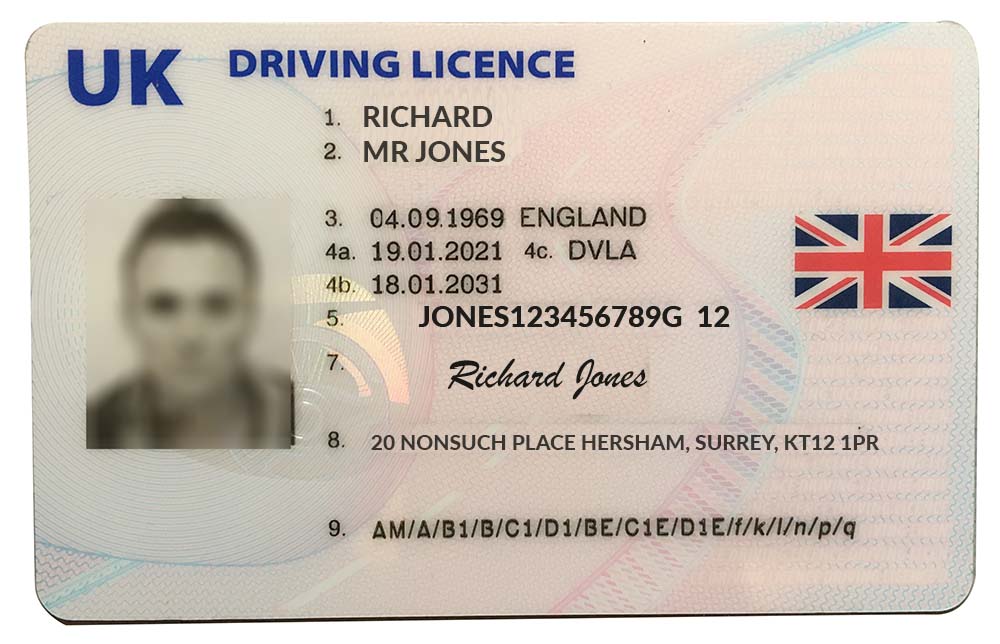
Driving licence codes and categories explained

Namibian Drivers License Codes Explained In Detail
